As resistance in flies, lice, worms, and ticks makes some of our most popular and useful products worthless, where is the pipeline of new products to replace them??
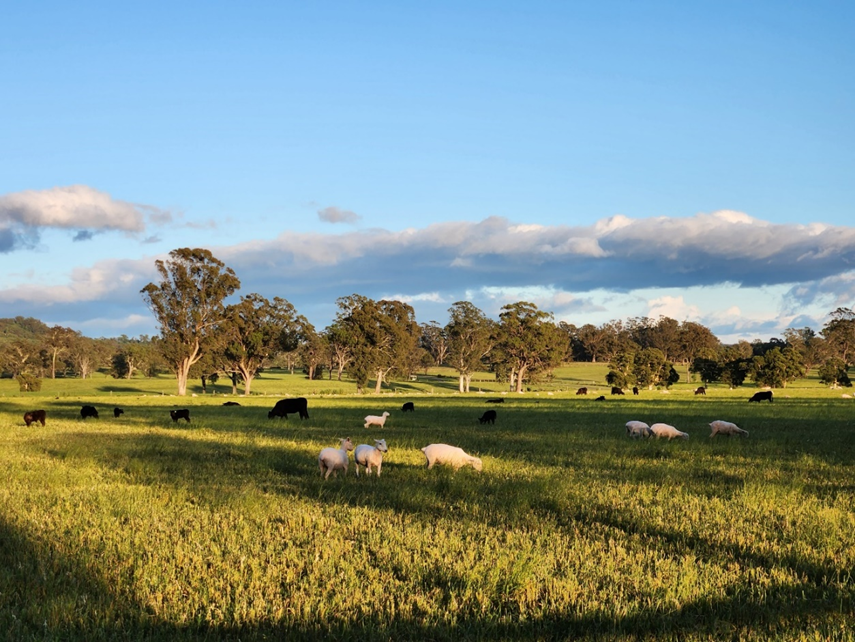
Fig 1: Livestock producers rely on efficacious products to ensure the health and productivity of their animals.
This is the call repeated across the country as sheep, cattle and goat producers get increasingly frustrated at the failure rate of their existing animal health remedies. Registering a product is a long and convoluted process, especially compared to cat and dog products. This is because livestock are classed as ‘food-producing animals’ and regulators need to be satisfied that as well as safety for the animals treated, there is no risk of any residues in meat or milk products that could impact human health.
Here we look at the registration process from discovery of a molecule through to post-marketing requirements.
The authorities
Products with a claim to treat animals need to be registered in Australia by the Australian Pesticides and Veterinary Medicines Authority (APVMA), an organisation governed by the federal Department of Agriculture, Fisheries and Forestries (DAFF). However, the APVMA must also have rules that are compliant with those overseen by other Australian authorities such as the Therapeutic Goods Authority as well as United Nations bodies the World Trade Organization and the Food and Agriculture Organization.
Too many authorities? Maybe, but bear in mind that each state government also has a responsibility to ensure compliance with the relevant laws by people who dispense and use these products. On top of this, industry bodies such as Animal Medicines Australia have their own codes of conduct and prudent use guidelines and in some circumstances, our trade partners (other countries) make up their own rules that may not be consistent with the UN rules.
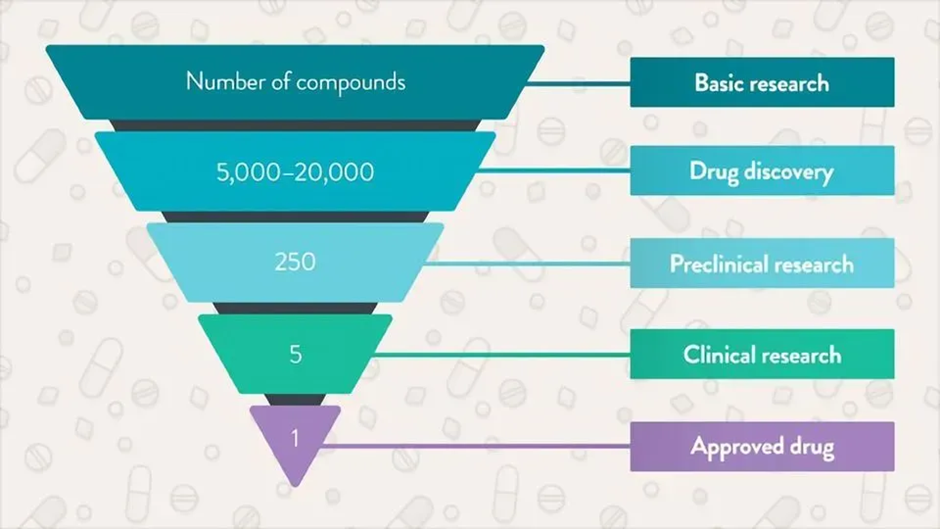
Figure 1: Process for developing novel products- courtesy of Technology Networks.
Drug discovery process
The veterinary pharmaceutical companies that make and sell products for animals continually search for novel molecules, vaccines or other treatments. Some of this is conducted in-house in vast screening laboratories, but due to the specialised nature of the investigations, it is often outsourced to universities or companies dedicated solely to this function.
An example is the Kitasato Research Institute in Japan, where Professor Satoshi Omura developed techniques for extracting molecules and testing them against a variety of pathogens, including parasites. In 1978, after collecting soil samples during a morning walk, he grew bacteria that produced ‘avermectins’. Working with Dr William Campbell, an Irish parasitologist working for pharmaceutical company Merck, they developed products that went on to become the most useful range of anti-parasitic treatments in history. They were awarded the Nobel Prize for medicine in 2015.
Development
Company marketing and veterinary staff do research to find out the need for a new product and work alongside the scientists and clinical investigators to define what the new product should do. Work then begins on testing the characteristics of the molecule, from its effect against different types of parasites, through to the toxicity, environmental impact and physical characteristics that will determine if it can be formulated into a useful product. This may take 5-7 years of dedicated laboratory testing, with dozens of scientists conducting a range of experiments. Products that fail any test or have a low projected return on investment are thrown into the bin.
Efficacy trials
Animal trials are conducted to determine the correct administration, dose rate, residues and range of activity of the new product. All claims that are on the product label need to have a separate set of trials providing evidence that These trials are strictly controlled by more international guidelines such as Good Laboratory Practice (GLP) and Good Clinical Practice (GCP).
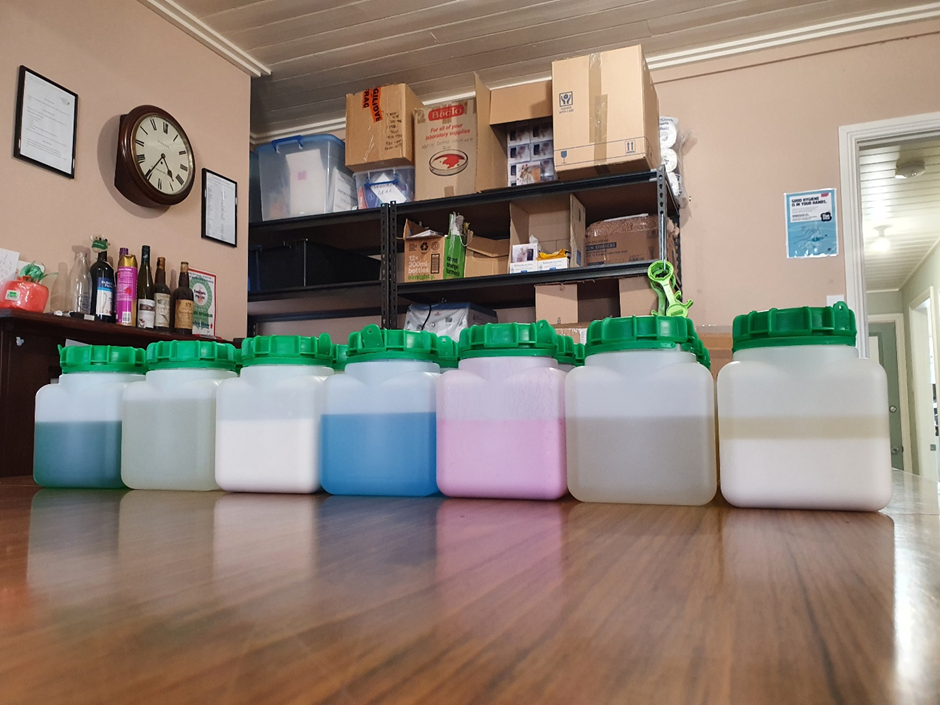
Fig. 3: Different drenches being prepared for a sheep drench test. Efficacy testing is required before launch to see which worms the product kills, as well as after a product is released to assess the level of resistance.
Manufacturing
Different combinations of active ingredient (the molecule that kills the parasite) and excipients (the rest of the formulation that keeps the active ingredient stable) are trialled to see what works best. Batches of the final formulation are subjected to a range of tests under a set of guidelines called Good Manufacturing Practice (GMP). This ensures that the products match a certain quality specification and will be good quality until the ‘use by’ date. Then the volume is ramped up and full-scale commercial production begins. Before being released for sale, each batch must pass a set of Quality Assurance tests that ensure safety, purity and conformation to specifications. Product is then stored and distributed to retailers for supply to the farm.
Registration
When all the 12 levels of evidence required is collated and submitted to the APVMA, they take a period of about 18 months to assess the data and clarify any issues. After the process has been completed, the company is provided with a product registration, allowing them to market the product in Australia.
Post-marketing
Each company that sells registered products must maintain feedback loops that receive comments and complaints from the field and report it back to the APVMA and other relevant authorities. This is called ‘pharmacovigilance’ and allows the company to pick up any problems that may have passed the previous levels of testing and checking.
All up, it may take 15 years and a lot of money (estimated at A$100 million) to produce a new product for animals. Of course, products using existing active ingredients (generics) are easier to make and register, but also more likely to have resistance. The regulatory hurdles for pharmaceutical manufacturers are immense and policing is strict, so that all products brought to market are effective and safe.
The key message for vets, retailers and producers is that we may not get many new products, so let’s take good care of the ones we have. See paraboss.com.au for more information on slowing the onset of resistance to all parasiticides.
Your feedback is important to us. Let us know how we could improve?
Notice: you are leaving the ParaBoss main website
www.wecqa.com.au is a secondary ParaBoss website hosted by the University of New England (UNE). Whilst this is still an official ParaBoss website, UNE is solely responsible for the website’s branding, content, offerings, and level of security. Please refer to the website’s posted Privacy Policy and Terms of Use.